
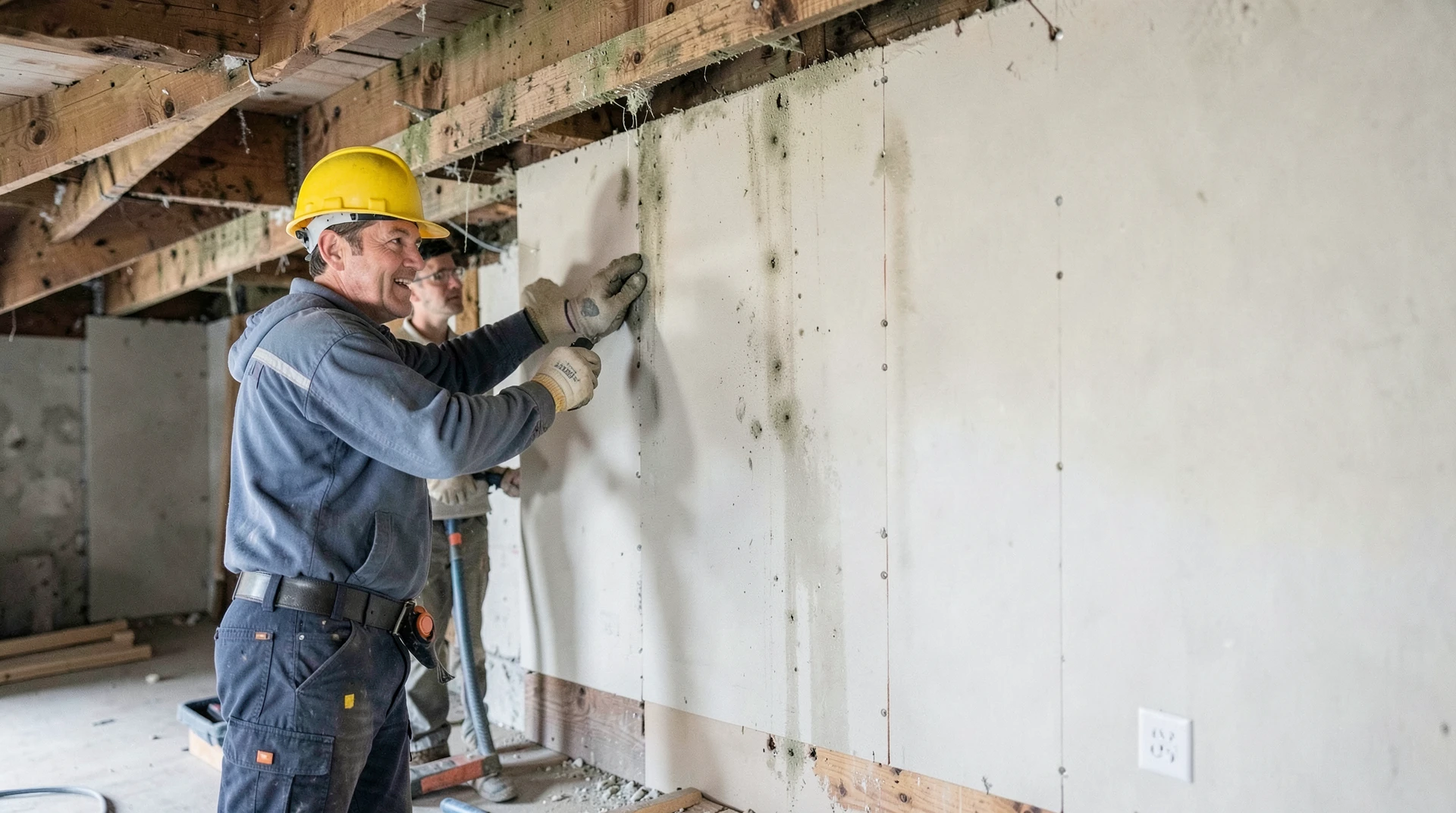
When you own or manage commercial property, your roof is arguably the most critical element of your building envelope. It’s designed not just to keep out rain-it's a primary line of defense against everything from hail damage to persistent moisture intrusion. But what happens when that defense fails? The problem quickly moves beyond visible leaks and structural water damage. One of the most insidious, and often underestimated, consequences is mold growth within your building’s interior structure. If you find yourself dealing with musty odors or unexplained patches of dampness, understanding the direct link between a failing roofing system and indoor air quality-specifically mold growth due to failing roofing system replacement-is the first step toward effective asset management.
We handle everything from minor flashing repairs right down to full commercial roof replacements, including expert roofing in Vista Ridge, TX, and surrounding areas like Valley Ridge or Deep Creek. Our goal is always proactive care, minimizing your liability and maximizing your long-term ROI. This isn't just about putting up new shingles; it’s about ensuring the integrity of the entire structure so that occupants remain healthy and operations continue smoothly.
Understanding the Moisture Pathway: From Roof Failure to Indoor Contamination
The process by which a roof leak translates into indoor mold requires understanding basic physics, but the implications for your property are far from trivial. Mold doesn't spontaneously appear in a dry building; it needs three things: organic material (wood, drywall, insulation), warmth, and most crucially, a continuous source of moisture. A failing roof is simply that primary source of uncontained water.
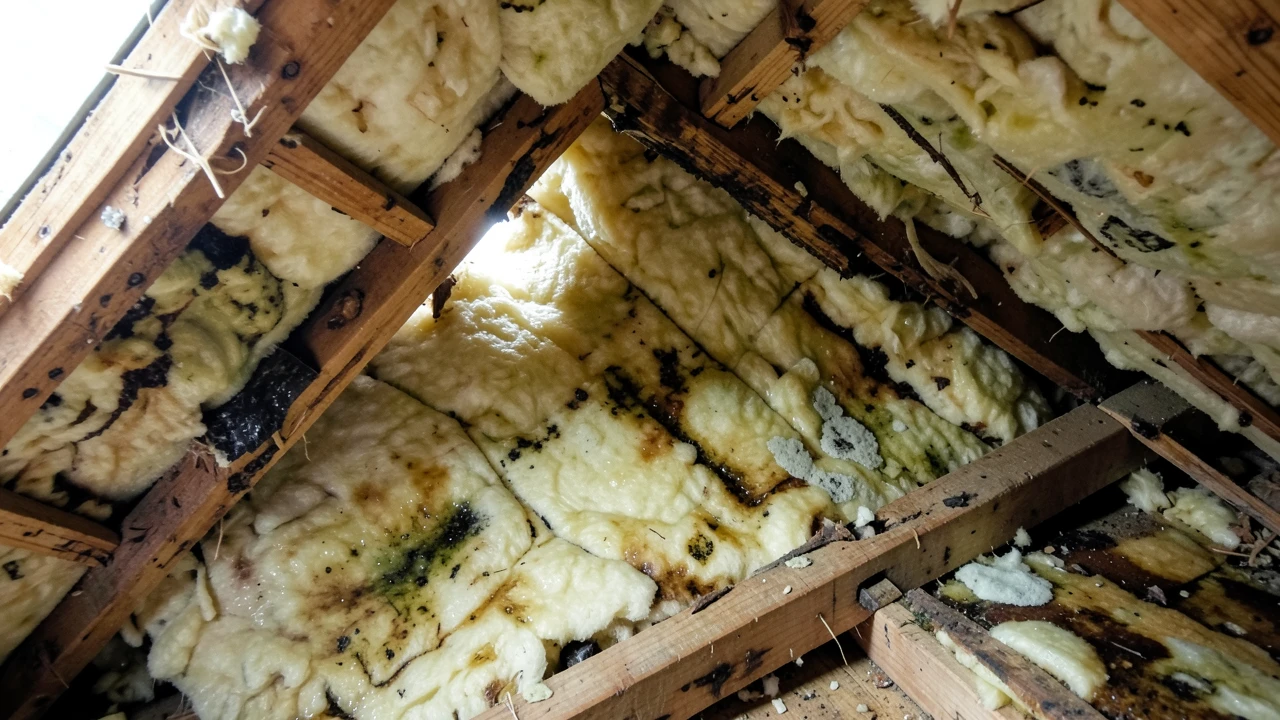
Unlike an obvious leak dripping onto the ground floor, many roofing failures-such as compromised flashing around HVAC units or gradual weeping through modified bitumen layers-allow moisture to penetrate the ceiling cavity, attic space, or even into sub-grade structural elements before it ever reaches a visible point indoors. This hidden damage is often where the danger lies.
How Roof Failures Create Ideal Conditions for Mold
Think of your roof as an umbrella protecting everything beneath it. When that umbrella develops holes-whether from wind uplift damaging flashing, granule loss compromising the membrane seal, or years of deferred maintenance on gutters and drainage points-the water finds its way inward. This persistent dampness allows mold spores (which are everywhere, even in clean air) to find their perfect breeding ground: wet insulation, decaying wood framing, and saturated drywall behind ceilings. When the drainage points fail, it can lead to issues like compromised gutters; for comprehensive help with this, consider Denton gutter replacement services.
In our experience working with multi-family properties across Denton Metro Area, we’ve seen this repeatedly. A simple, overlooked flashing detail failure on a commercial building can saturate the top plate of a load-bearing wall, creating an environment that is perfect for Stachybotrys or other damaging types of mold. This process underscores why mold growth due to failing roofing system replacement is such a serious concern-the roof doesn't just leak; it actively contributes to biohazard risk inside the building.
Why Professional Roof Analysis Is Non-Negotiable Asset Protection
Many property managers initially treat visible water damage as an isolated incident, focusing only on patching the leak source. However, this piecemeal approach is often ineffective and fails to address the root cause: structural vulnerability. If you simply patch a flashing point without understanding why the underlying membrane failed (was it age? UV degradation? Improper installation?), the problem will reappear in a different spot next season.
We build our bids around actual lifecycle costs, not just initial sticker price. A quick fix today could lead to massive CapEx spending on mold remediation and structural drying years from now. Our signature perspective is that the best roofing decisions are made through proactive inspection and understanding localized climate threats, not just fixing the visible damage.
The Hidden Costs of Ignoring Roofing Integrity
Ignoring subtle signs of roof deterioration has financial ramifications that extend far beyond the cost of a full replacement. These include:
- Increased Liability: Mold contamination can lead to costly litigation related to tenant health issues and inability to occupy space.
- Operational Downtime: Remediation efforts are complex, time-consuming, and force temporary business closures-the single biggest hit to ROI.
- Structural Damage Acceleration: Constant moisture compromises not only the insulation but also the wood framing (rot), which can necessitate far more expensive structural overhauls down the line.
We know CapEx budgets are tight, so let's look at lifecycle cost analysis first. A comprehensive roof assessment from our team in Denton ensures that we address both the immediate leak source and the long-term systemic weaknesses of your roofing system.
Beyond Asphalt: Selecting Roofing Materials for Long-Term Mold Prevention
When discussing a "replacement," it’s easy to assume the solution is simply matching the old material (e.g., replacing asphalt with more asphalt). But modern commercial roofing materials are engineered differently, specifically with moisture management and durability in mind. Choosing the right system is paramount to preventing future leaks that could lead back to mold issues.
The decision between various flat or low-slope systems-such as TPO Roofing (Thermoplastic Polyolefin) or Modified Bitumen-should be based on decades of performance data, not just initial cost comparison. TPO and Modified Bitumen are highly effective at creating continuous, impermeable barriers that significantly limit the pathways for water intrusion compared to older materials.
For instance, when considering a flat roof replacement in Denton, we evaluate factors like local drainage patterns (gutters, flashing), anticipated chemical exposure on site, and how easily the material can be integrated with existing HVAC and plumbing infrastructure. A proper system design includes flashing & chimney flashing repair at every penetration point because these are statistically the single most common points of failure leading to moisture entry.
The Role of Proactive Maintenance in Asset Preservation
A roof replacement is a massive investment, but it's not a "set-it-and-forget-it" deal. Regular maintenance-especially inspecting gutters and flashing-is crucial preventative care. Gutters are designed to move water away from the structure; if they clog or overflow, the water will find the path of least resistance: directly onto the fascia board, into the wall cavity, and ultimately leading to mold risk.
A minor storm event can be a trigger for major issues. Our crews stick to tight schedules and communicate constantly so that your tenants experience minimal disruption during any project size or type. By maintaining systems like flashing, gutters, and even performing full roof inspections, we keep the moisture pathways sealed before they ever lead to mold contamination deep within your property's structure.
Protecting Your Occupants: The Comprehensive Approach to Roof Failure Remediation
When dealing with suspected mold growth linked back to a roofing failure, you need more than just a roofer; you need an integrated asset management partner who understands the full scope of liability and remediation. This requires coordinating structural assessment, leak repair, moisture mitigation, and potentially air quality testing-all under one roof (pun intended).
Our comprehensive approach ensures that when we address mold growth due to failing roofing system replacement, we are solving the problem from multiple angles:
- Leak Source Identification: Pinpointing the exact failure point in the membrane or flashing.
- Structural Drying & Mitigation: Using industrial dehumidifiers and specialized equipment to dry saturated materials safely, preventing secondary mold issues.
- Systemic Repair/Replacement: Executing a repair or replacement (TPO, Modified Bitumen, etc.) that guarantees long-term moisture exclusion.
- Preventative Sealing: Paying meticulous attention to all penetrations and flashing details to preempt future water entry points.
We understand the anxiety and disruption that comes with these major building failures. Our team is equipped to handle both large-scale commercial projects and specialized repairs across multiple sites/properties, ensuring minimal downtime for your tenants. Don't let a storm damage scare you into choosing the cheapest option; we focus on minimizing your downtime and maximizing your long-term ROI by prioritizing structural integrity first.
Securing Your Property: When to Call an Expert in Denton
The best time to call us is when you notice any signs of compromised flashing, persistent musty odors that can't be explained, or if a negative inspection report from a property manager or insurance adjuster points toward moisture issues. Waiting until the visible mold forces your hand means dealing with compounded problems-a failed roof and an interior biohazard cleanup.
Whether that’s across from Denton Square or deep in Valley Ridge, we are here to provide clear, factual explanations of what is happening and what needs to happen next. We help translate complex technical terms (like vapor barriers or membrane permeability) into simple, immediate benefits for the owner/manager: reduced liability, maintained occupancy, and a predictable long-term CapEx budget. Whether that’s across from Denton Square or deep in Valley Ridge, we are here to provide clear, factual explanations of what is happening and what needs to happen next, including advice on local roofing options for your area.
If you suspect your building’s integrity has been compromised by water ingress, don't wait. Contact us today to schedule a thorough, proactive roof inspection. We are committed to being your single point of contact for asset protection right here in Denton. If you suspect your building’s integrity has been compromised by water ingress, don’t wait; contacting us ensures you receive expert guidance on Trusted residential roofing care.